

Connected Communities: The Heart of Belonging and Resilience
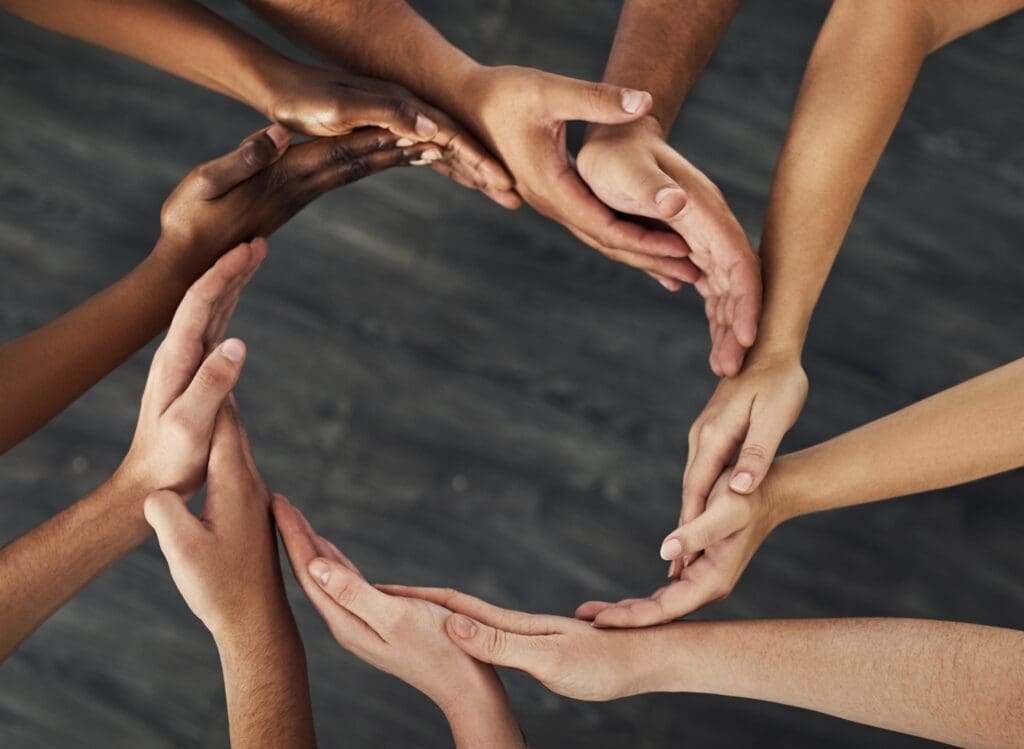
We all Belong – Together
In times of rapid change, uncertainty, and increasing isolation, the strength of a community lies not only in its infrastructure or institutions—but in the web of human connections that bind people together. When communities are deeply connected, they don’t just endure challenges; they adapt, heal, and grow stronger through them.
The Power of Belonging
Belonging is more than a feeling—it is a fundamental human need that shapes our mental health, physical well-being, and collective capacity to thrive. Research consistently shows that people who feel a sense of belonging have better health outcomes, greater resilience in the face of adversity, and are more likely to contribute to the common good.
When individuals feel seen, valued, and included, they are more likely to step forward in times of crisis, support their neighbors, and participate in collective problem-solving. This creates a positive cycle: belonging fuels resilience, and resilient communities nurture deeper belonging.
Resilience Is Rooted in Relationships
Traditional approaches to resilience often focus on emergency plans, infrastructure, or resources. While these are essential, they are not sufficient on their own. True community resilience is relational—it depends on trust, reciprocity, and shared purpose.
- Neighborhood networks often mobilize faster than formal institutions during emergencies.
- Social cohesion reduces the long-term impacts of disasters by improving communication, mutual aid, and recovery efforts.
- Communities with higher levels of social trust and connectedness are better able to adapt to changing environments and recover more equitably.
Building Capacity Through Connection
Community-based capacity building is not simply about delivering programs; it’s about cultivating networks of relationships that empower people to take collective action. This might look like:
- Creating spaces where diverse groups can come together to share stories, resources, and ideas.
- Supporting peer-to-peer initiatives that build trust and local leadership.
- Encouraging intergenerational activities that bridge age, culture, and experience.
- Strengthening local organizations that serve as connectors, anchors, and conveners within the community ecosystem.
A Shared Responsibility
Every person has a role to play in weaving the fabric of a connected and resilient community. Whether through simple acts of kindness, intentional collaboration, or community organizing, each connection strengthens the whole.
You don’t need to wait for a crisis to begin. Start today—reach out to a neighbor, join a local initiative, host a conversation circle, or volunteer your skills. Small actions, multiplied across many hands and hearts, create lasting change.
Together, we can create communities where everyone belongs, and resilience grows from the inside out.
Take one step this week to strengthen your community connections. Reach out. Show up. Build the future—together.
Know more in our Connected Communities Webpage or our Comprehensive Report